Aurora
Tuning into the cosmos…
LoadingAurora
Tuning into the cosmos…
LoadingUnited Launch Alliance
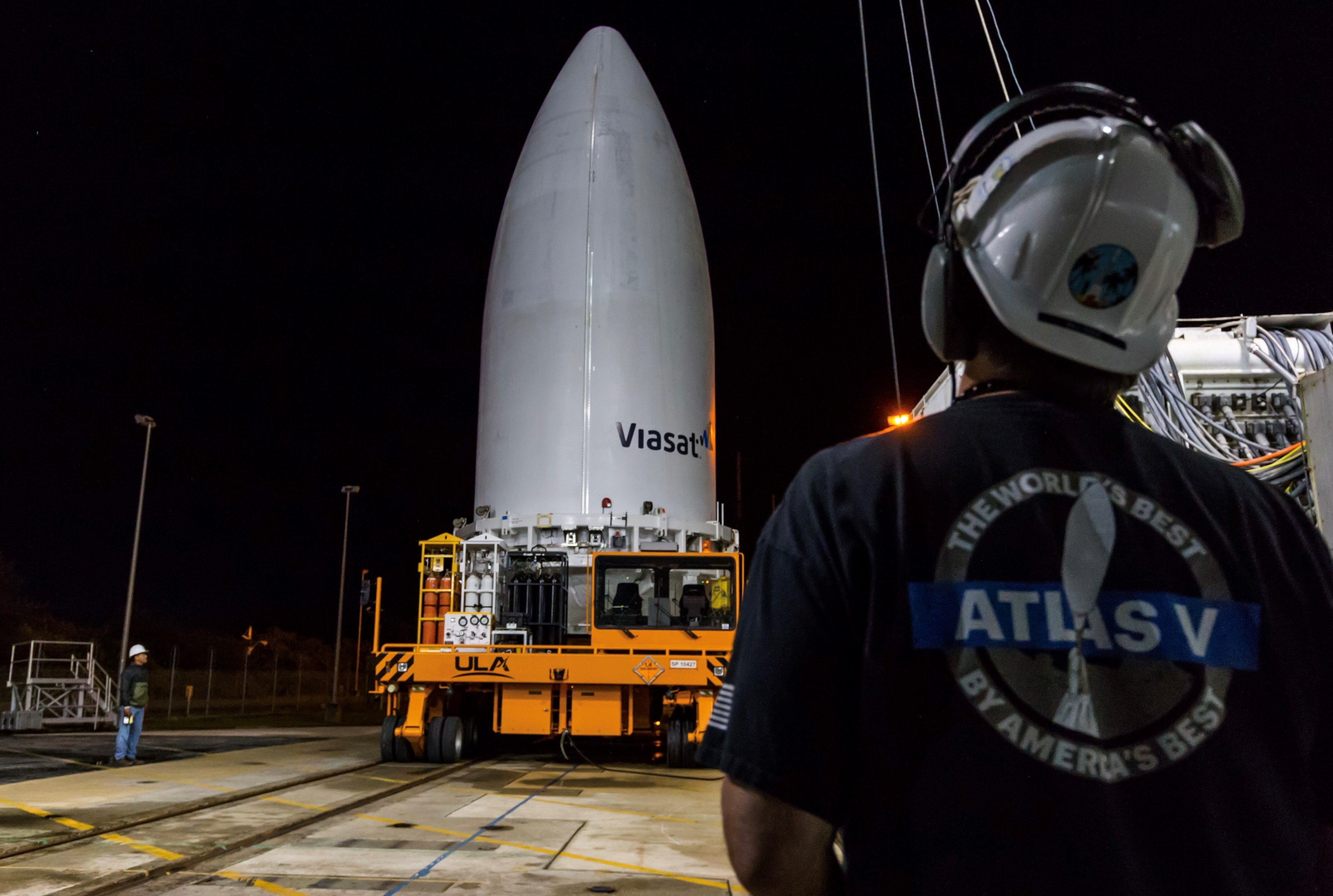
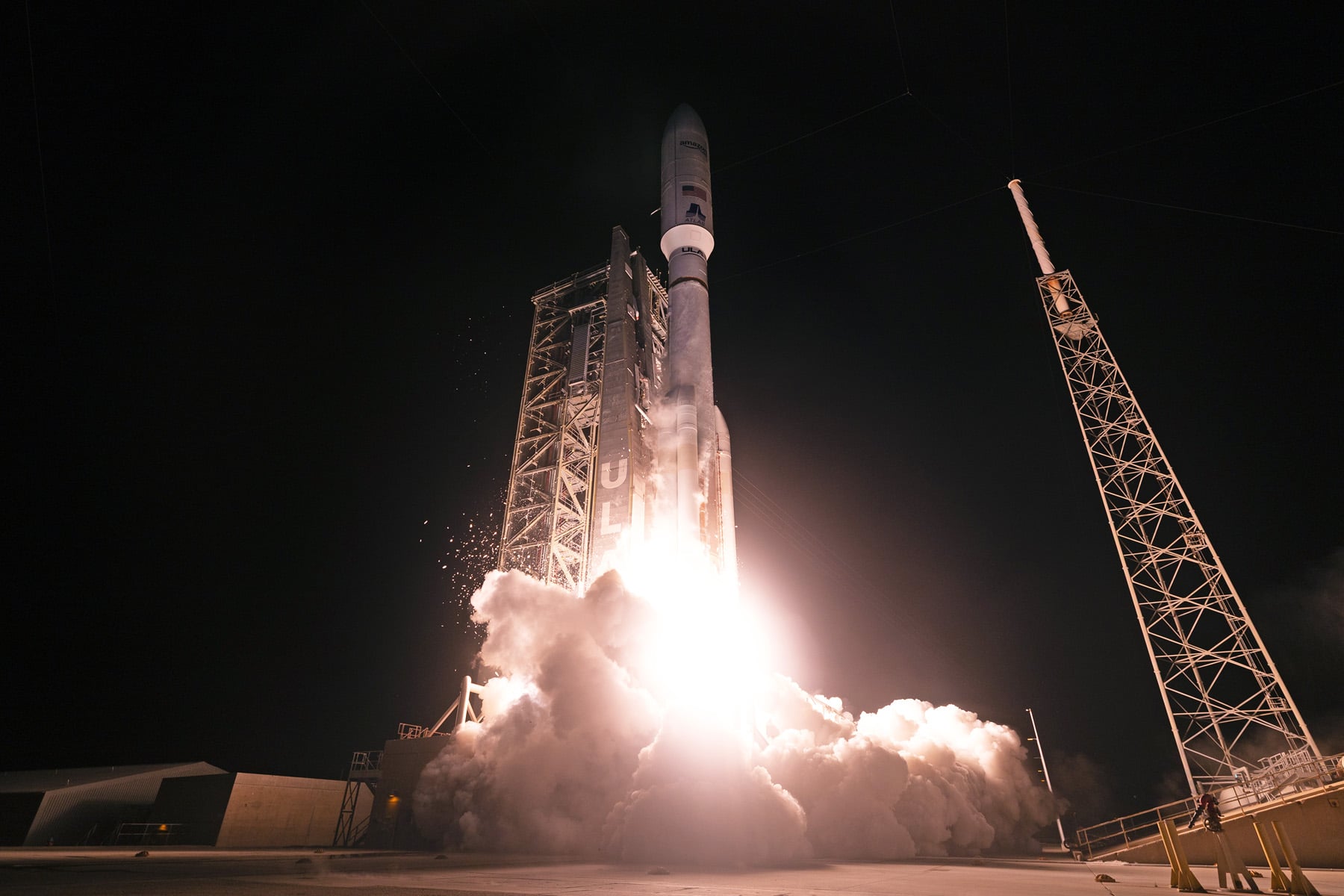
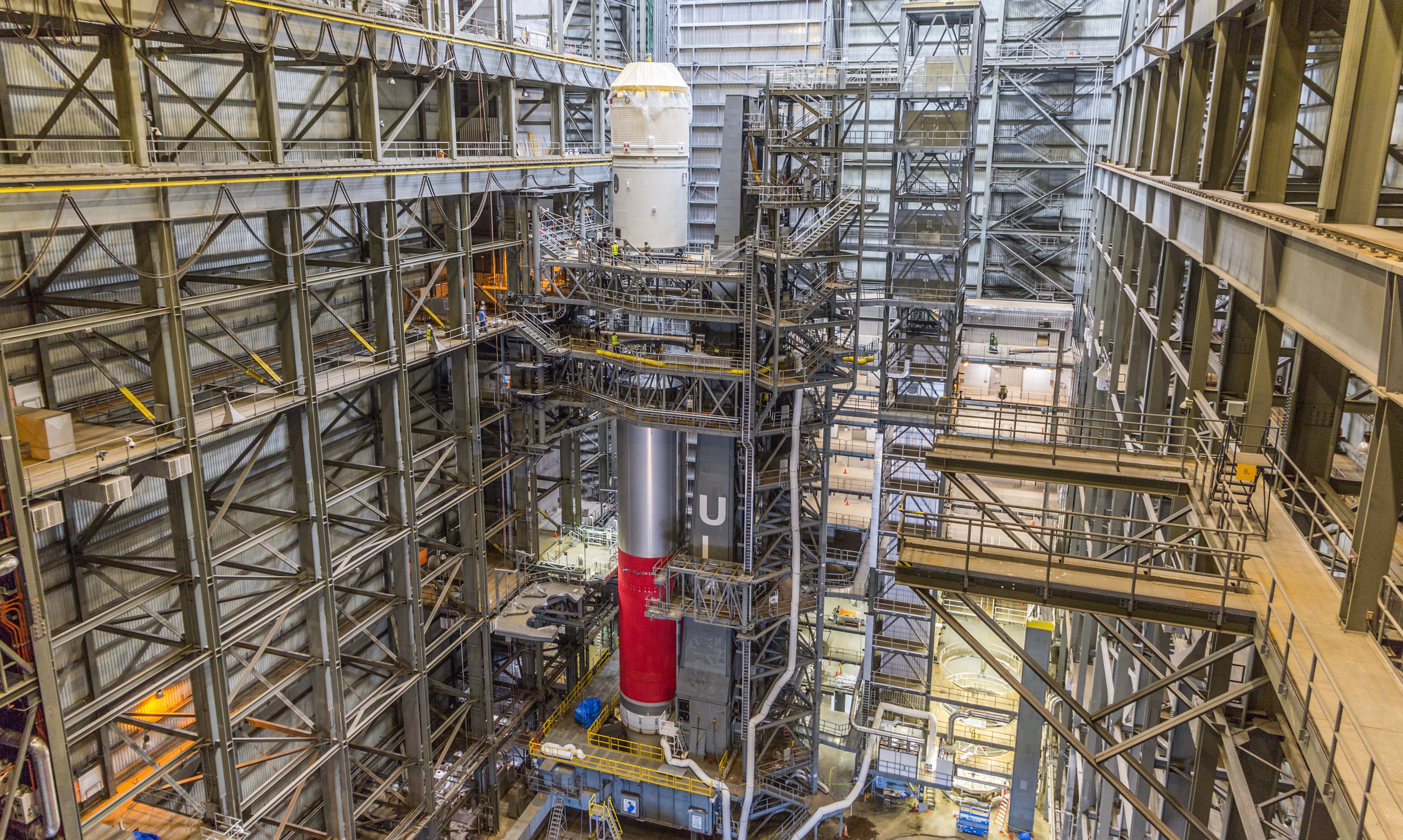
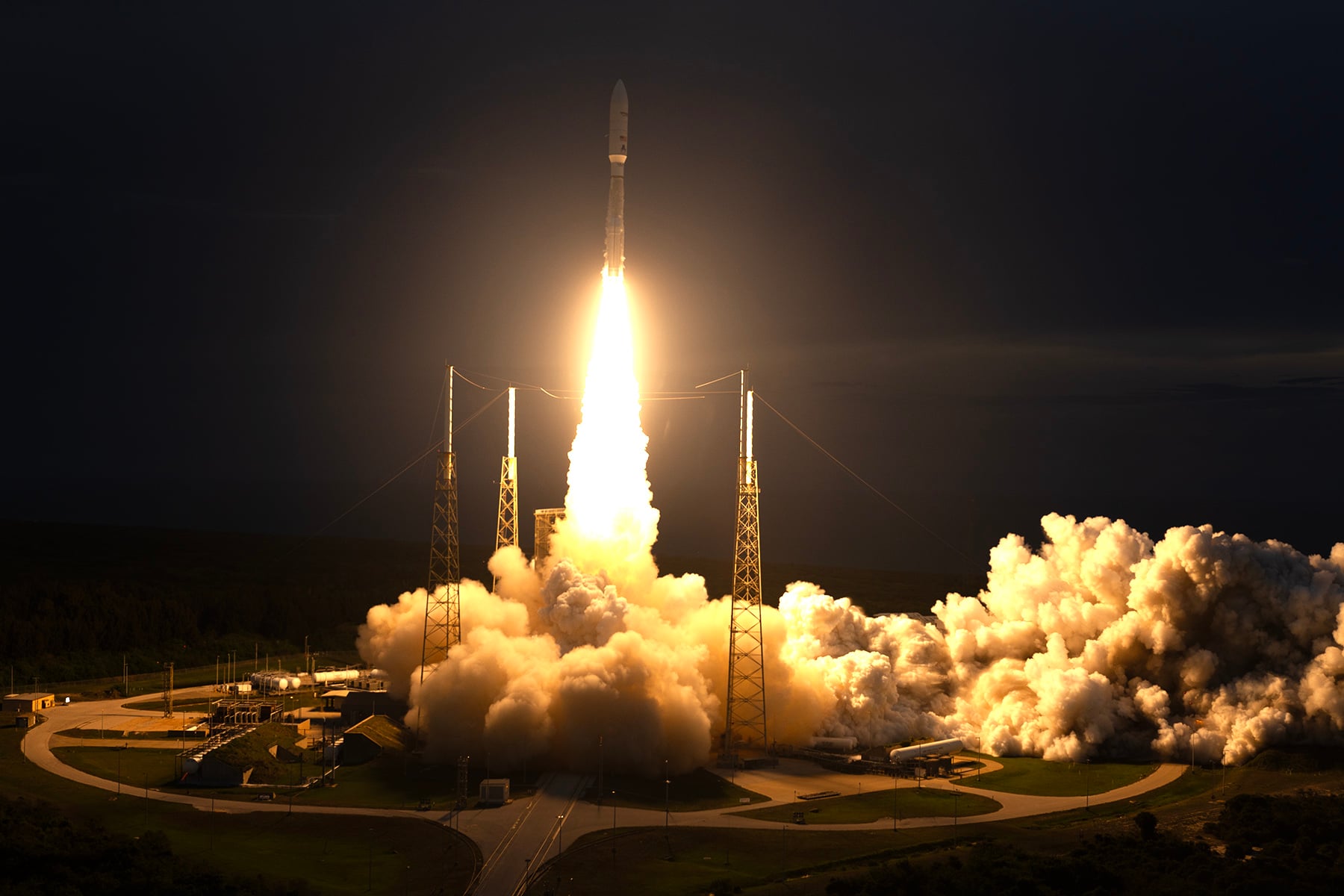
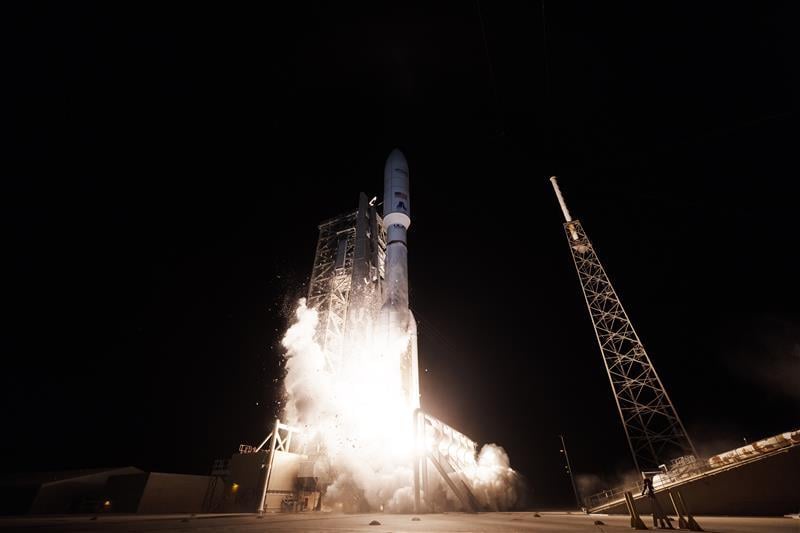
A commercial United Launch Alliance (ULA) Atlas V rocket will launch the ViaSat-3 Flight 2 (F2) ultra-high-capacity broadband satellite, designed to be capable of transmitting throughput in excess of one Terabit of data per second (1 Tbps) to users on land, at sea or in the air. Launch is planned for Nov. 5 from Space Launch Complex-41 at Cape Canaveral Space Force Station, Florida, during a 44-minute launch window that opens at 10:24 p.m. EST (0324 UTC Nov. 6). ULA is performing the launch for Viasat, a global technology company helping businesses, governments and communities transform their world through connectivity. ViaSat-3 F2 is expected to be one of the most sophisticated and powerful communications satellites ever deployed. It is considered an engineering marvel. From its operational vantage point in geostationary orbit approximately 22,000 miles (35,000 km) above Earth, ViaSat-3 F2 is designed to expand and enhance in-flight connectivity for commercial and business aviation passengers; exceed performance, security and resiliency for governments; enhance the ‘office-like’ and ‘home-like’ internet experience onboard vessels; and help deliver fast, reliable internet to more homes and small businesses in rural communities. Viasat designed and manufactured the state-of-the-art Ka-band payload for receiving, transmitting and processing broadband internet data to and from the satellite. The payload module was then integrated onto a 702MP+ platform built by Boeing Satellite Systems in El Segundo, California. The spacecraft is equipped with eight solar panels, which are designed to unfold in orbit to generate over 25kW of power. The mission life is expected to be at least 15 years. The enormous capacity boost from ViaSat-3 F2 is expected to provide more than double the bandwidth of Viasat’s existing satellite fleet – a fleet that is secure, reliable and highly flexible. The satellite‘s anticipated throughput capacity of more than 1Tbps is equivalent to transmitting the contents of a two-mile-tall (3.2km) stack of books every second. To get the highest productivity from the satellite, the agile ViaSat-3 F2 is designed with dynamic beam forming capabilities to move capacity to where the demand is, providing greater bandwidth to congested areas — even as demand changes throughout the day. This highly flexible capacity is enhanced by 1,000+ steerable spot beams that offer reliable connectivity for mobile platforms. — United Launch Alliance
Summary and headline via United Launch Alliance. Aurora links you to the original blog for the full story.
Keep reading